




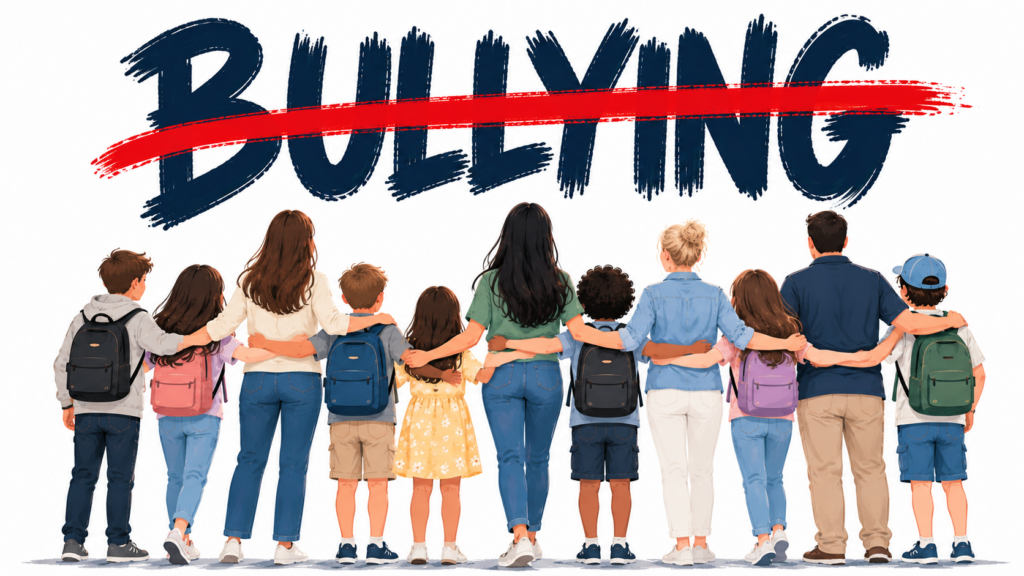
Bullying
By Bethany R. Russell, Ph.D.
Babcock Ranch, Florida
I recently read a Babcock News article concerning reports of bullying in our community. As a counselor and therapist specializing in pediatric mental health, I know how important it is for us to have insight and resources for anyone being affected by offensive and targeted behavior. According to StopBullying.gov, about 19.2% of U.S. students ages 12-18 enrolled in grades 6-12 reported experiencing bullying during the 2021-22 school year. Bullying can occur in person, or online, leaving kids most susceptible within in-person environments such as schools or other gathering spaces with peers. While we know that socialization within one’s peer group is healthy, we also must ensure that those interactions foster safe environments to learn, be challenged, and reach one’s full potential. Bullying can have serious effects on a young person’s well-being and is associated with increased risks of anxiety, depression, self-harm and suicidal thoughts. These outcomes are complex and may involve multiple contributing factors.
While mental health symptomology (the signs and symptoms of emotional or psychological difficulties) may be an indicator that something is going on, there are other signs that a child/teen is being targeted including physical signs, physical complaints, social changes, online signals, specific phrases or changes in performance in academics or other extracurricular activities. Specifically, a child can present with unexplained bruising or scratches/cuts. Other signs include changes in sleep patterns; feeling sick often and not wanting to go to school; or experiencing severe headaches that can’t be explained by other natural causes. A child may also withdraw from friend groups and begin to engage in more frequent isolation. A child may develop a new fear of engaging with other kids or need to stay near adults when they were previously confident spending time with peers. A child may show a change in emotional reactions, including defensiveness when asked what they are doing online. You may hear a child say “no one likes me” or “nobody cares.” Finally, a child may show an abrupt change in academic or athletic performance that can’t otherwise be explained.
While all these behaviors can indicate a need to investigate potential bullying, it is important to know that the behaviors can also indicate other things. The challenge is how to get to the bottom of what is truly going on. Children may hesitate to report bullying for many reasons, including fear that speaking up could make the situation worse, embarrassment, social pressure or concern about losing peer relationships. Because of this reality most kids who are bullied do not tell anyone and sometimes are not even aware that they are being bullied.
If children aren’t always the best to identify or speak out, then it is up to adults to assist in these matters. For teachers it is important to watch for physical aggression and/or exclusion during events or classroom assignments. We know that generally those bullied often lack relationships that build self-esteem and confidence. When concerning behaviors are identified, it is important to have an open and unassuming conversation where a student is believed, not faulted, and a way forward for them individually can be discussed. For parents it is important to regularly make sure you are spending one-on-one time with your child to see how things are going. This is purposeful, age-appropriate, time without cell phones or other digital distractions, where you might go to get coffee, lunch, or do something fun with your child and discuss how things are going. By having these frequent conversations, you are more than likely going to know when things drastically change. Furthermore, normalizing conversations with your child will help them feel more comfortable telling you about things that are going on. It is important that if anything is going on at school that it is more than a single conversation and that you follow up in writing and ask what steps will be taken, rather than relying on one conversation. Also, remember that if your child confides in you, you should create a plan together with predictable steps for moving forward.
Finally, a piece that is so important to remember is modeling for our children. Our kids are watching how we treat others, how to take a stand and support others, and what we are not okay with. Let’s be the example of the people we want our children to become. In my 20+ years in healthcare my firsthand experiences and the research show that supportive peers have some of the strongest positive impacts on kids who are bullied. It is my belief that many of you, like me, came to Babcock Ranch because it was a place you wanted to raise your children in a safe and supportive environment. This requires all of us to do our part to challenge our kids to be good human beings.
About the contributor

Bethany R. Russell, Ph.D., is a Babcock Ranch Community Experts contributor. She earned her doctorate in counselor education at the University of Central Florida in 2021. Her practice website describes her work with children, adolescents and families.
Website: https://russellmentalhealth.com/about
Editor’s note: This contributed Community Experts column reflects the author’s professional perspective and is provided for general educational purposes. It is not a substitute for individualized medical or mental health advice, diagnosis or treatment. The views expressed are the author’s and do not necessarily reflect those of Babcock News.
If you or someone you know is struggling with suicidal thoughts or a mental health crisis, call or text 988 in the United States. Call 911 for immediate danger or a medical emergency.